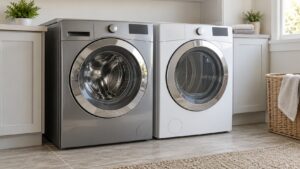
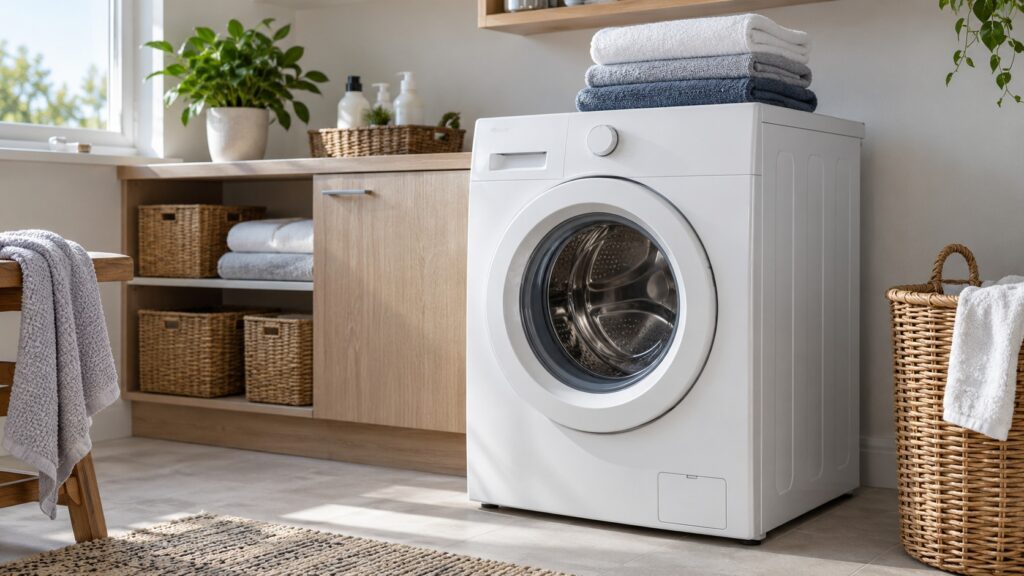
The Electrolux EFLS627UIW and EFLS527UIW are two closely related 27-inch front-load washers from an earlier generation, and the difference between them is small: the EFLS627UIW holds 4.4 cubic feet and is known for SmartBoost pretreatment, while the EFLS527UIW holds 4.3 cubic feet and runs the LuxCare Wash System. Both include a Steam option, both come in white (the UIW suffix) with titanium twins ending in UTT, and both are now discontinued. Most people searching for them are weighing a used machine, a replacement part or a move to a current Electrolux washer, and this guide covers all three.
What is the difference between the Electrolux EFLS627UIW and EFLS527UIW?
Capacity and pretreatment. The EFLS627UIW is the higher model, with 4.4 cubic feet of drum space and SmartBoost, a pretreatment system that mixes detergent with water and applies it to the load before the wash begins, rather than letting concentrated detergent sit against fabric. The EFLS527UIW gives up SmartBoost and a tenth of a cubic foot, and relies on the LuxCare Wash System, Electrolux’s approach to gentle, thorough washing with a controlled drum motion. Our guide to how LuxCare Wash works explains it in detail.
The Steam option is common to both, and in daily use the two washers feel alike: the same door, the same controls, the same cabinet. If you find one at a good price, the SmartBoost model is the one to prefer for stained loads, but nothing about the 527 is a compromise in reliability.
Are the UIW and UTT versions the same washer?
Yes, apart from the finish. The EFLS627UTT and EFLS527UTT carry the same capacities and the same features as the white versions, in titanium. When you look up parts, the model number matters in full, suffix included, because a part number can vary by finish for door trim and panels even when the working parts are the same. Read the complete model number from the label inside the door opening or on the back of the cabinet.
Should you buy a used EFLS627UIW or EFLS527UIW?
A used one can be a good buy if you check a few things before paying. Discontinued does not mean obsolete: we still service these washers and a well-kept one can run for years. These checks take ten minutes.
- The date. Ask for the serial number and the manufacture date. A younger unit has more life in the drum bearings and the drain pump.
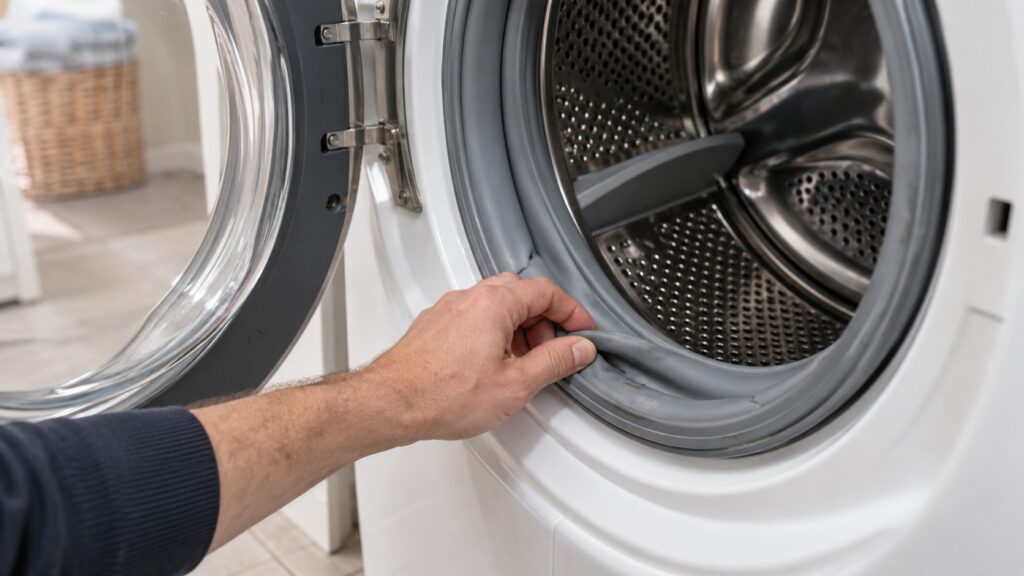
- The door boot. Look at the rubber gasket around the door for tears, black mold that has eaten into the rubber, and standing water in its lower fold.
- The drum. Spin it by hand. It should turn quietly and evenly. A rumble or grinding means bearing wear, which is a costly repair.
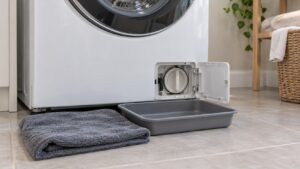
- The drain filter. Open the small access panel at the bottom front and look for coins, hair and lint. A clean filter suggests care; a packed one suggests the drain codes are coming.
- A test cycle. If you can run a short rinse and spin, listen at the spin for vibration and check for leaks from the door and the dispenser.
Ask the seller for the original owner’s manual or find a copy, as the cycle names and the installation notes are in it.
How do they compare with a current Electrolux front-load washer?
If you are replacing a machine and a current washer is within reach, the choice widens. The table lists the current 27-inch models we see.
The pattern is easy to read. The ELFW7637AW is the successor to the SmartBoost idea, the ELFW7537AW and ELFW7437AW add Perfect Steam, and the ELFW7337AW is the plain washer closest to the EFLS527UIW. Our wider Electrolux washer buying guide covers front-load against top-load and what the cycle names mean, and our laundry terms glossary decodes the rest.
What should you expect to maintain or repair?
The codes on these washers sort into a few families, and each one comes from the matching page on our site. E11 is a long or slow fill and E13 a leak in the outer tub area. E21 is a long or slow pump-out. E41 means the control does not detect the door as closed, and E42 is a door-lock device failure. EF1 means the drain pump filter is clogged, and EF2 means too much detergent was used. Most of these start with something you can see: a kinked hose, a dirty filter, a door that was not closed properly, or a heavy hand with the detergent. The best protection is routine care. Run the tub clean cycle monthly, wipe and dry the door boot, leave the door ajar between loads and clean the drain filter. Our Electrolux washer maintenance guide sets out the schedule.
When a repair is on the table, ask what the washer’s age and the cost of the repair say together. Our Electrolux washer repair or replace guide gives the thresholds, and a technician can quote a repair before you decide. We service both of these washers through Electrolux washer repair, and we are an independent service, so we have no reason to steer you toward one answer.
Which one should you choose?
- Choose the EFLS627UIW for stained family loads and a little more capacity, if a clean used example turns up.
- Choose the EFLS527UIW if it is clearly the better-kept machine or the better price: it washes the same way minus the pretreatment.
- Choose a current ELFW model if you want a full machine with current controls and a wider range of cycles, and do not want to buy a discontinued unit.