
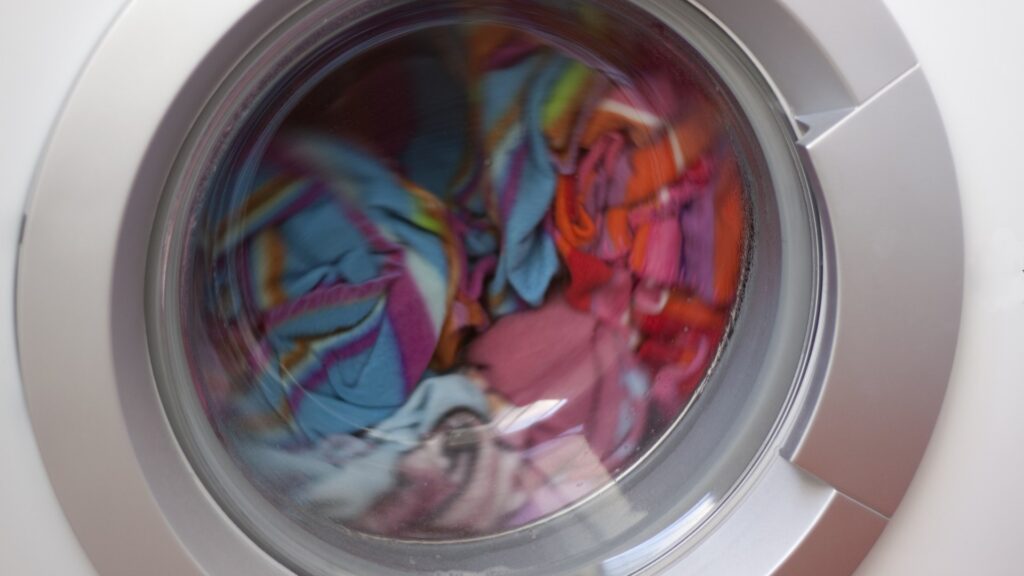
The Electrolux LuxCare Wash System is the name for how these front-load washers move water, detergent and clothes, and it is worth understanding for one practical reason: almost every complaint about wash results traces back to one of the things the system depends on. Not the machine failing — the load, the dose, the water, or a filter. Knowing what the system is trying to do makes those causes obvious rather than mysterious.
What the machine is actually doing
A front-load washer has no agitator. The drum rotates, paddles lift the clothes, and gravity drops them back into a shallow pool of water at the bottom. Cleaning comes from that mechanical action plus chemistry plus time, and the balance between the three is what a cycle program really is.
Because there is little water, the detergent in it is concentrated, and that concentration is part of the design. It is also why dosing matters so much more than on an old top loader: doubling the detergent does not double the cleaning, it produces foam, and foam cushions the tumbling action the machine relies on.
The system’s sensing side decides how much water to take for the load it detects, how long to run, and when the load is rinsed. On flagship tiers, SmartBoost premixes detergent and water before the mixture reaches the clothes, so distribution does not depend on where the detergent happens to land.
Why cycles take as long as they do
This is the most common complaint about front-load machines and it is not a fault. With less water and no agitator, time is the variable that delivers the result. A ninety-minute normal cycle is doing with duration what an older machine did with volume and force.
Two consequences worth knowing. Cycle times vary between loads, because the machine measures rather than assumes — a heavier load or a colder supply extends the run. And the quick cycles are genuinely compromises: they suit lightly soiled small loads and they will disappoint on anything else, which is a design honesty rather than a defect.
What the system depends on
The dose. HE detergent only, measured for the size of the load rather than by filling the cap. Soft water needs less again. Overdosing is the origin of most poor-rinsing and odor complaints on this type of machine.
Load size. Clothes need room to tumble. A drum packed to the top does not clean, because the mechanical half of the process has stopped happening. A hand’s width of space at the top is the practical test.
A clear drain path. The pump filter catches what comes off the clothes, and a loaded filter slows drainage until the machine objects — covered in our page on the EF0 error.
A clean drum and gasket. Low water and low temperatures suit detergent residue and the organisms that live in it. Our washer maintenance guide covers the monthly clean that prevents the smell people associate with front loaders.
Steam, and what it adds
On machines with Perfect Steam, steam is introduced during the cycle to help release soil and relax fibers. It is genuinely effective on heavily soiled items, and it has one service implication: steam means a water path and a heating arrangement that a non-steam machine does not have, which is one more system to keep in mind when a fault appears.
It also means the same caution as any steam appliance: hard water leaves scale, and a machine in a hard-water area benefits from attention to that rather than from ignoring it until the symptom arrives.
Reading results as diagnosis
Balance, and the physics of a spin
The end of a cycle is where a front loader works hardest. Spinning at high speed, the drum is holding a mass of wet laundry that has to be distributed evenly around its circumference; if it is not, the whole assembly tries to walk across the floor and the suspension takes the load instead.
This is why a machine sometimes appears to stall near the end, tumbling slowly for minutes without spinning. It is redistributing, and it will try several times before giving up and finishing at a lower speed. A single heavy item — a bath mat, a hoodie, one towel — is the usual cause, and it is also why one large item alone often spins worse than the same item with two smaller ones for company.
Two habits remove almost all of it: wash big single items with a couple of smaller ones, and make sure the machine is level on all four feet with the locknuts tightened. A washer that rocks under the hand when pushed at one corner will never spin cleanly, however good the load is.
Habits that get the most from the system
- Sort by soil as well as color. The cycle is chosen for the dirtiest item, and mixing means either over-washing the rest or under-washing that one.
- Use the correct cycle rather than the fastest. The programs differ in tumble pattern and temperature, not only in length.
- Leave the door and dispenser drawer ajar between washes so the drum dries.
- Clean the filter quarterly even when nothing is wrong. It takes five minutes and prevents the call.
- Check pockets. Coins and hairpins end up in the pump, and that is the one failure owners genuinely cause.
When to call
Call when results stay poor with correct dosing and loading, when the drum will not spin or the load comes out soaking, when the machine will not fill or drain, when a code repeats, or when the drum makes a rumbling noise that rises with spin speed.
We are an independent repair company and not a factory service arm. Pricing starts from a diagnostic visit and we confirm the estimate before any work begins. Electrolux washer repair covers bearings, pumps, valves, motors and controls, and you can schedule a visit online.