
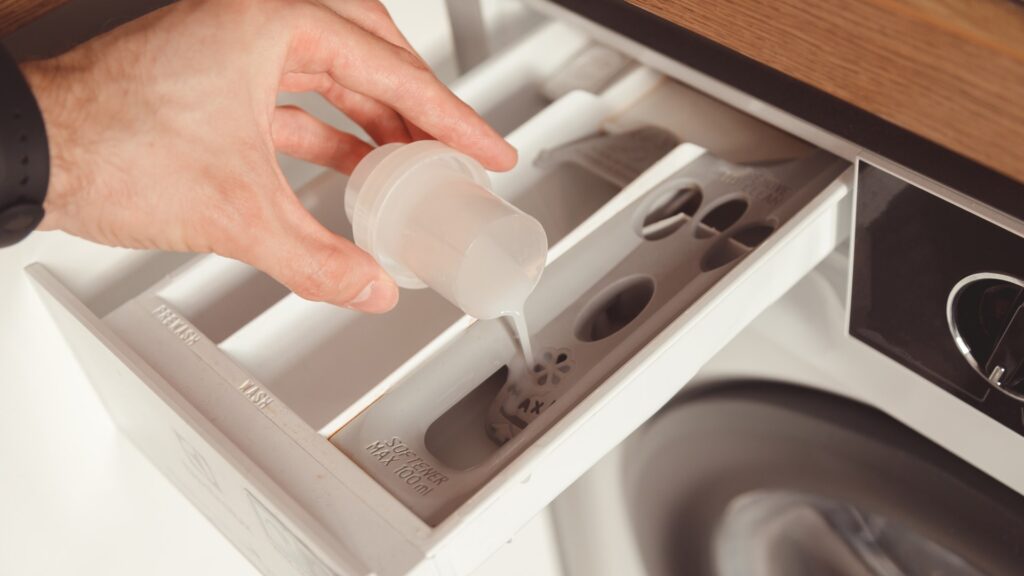
Electrolux SmartBoost premixes detergent with water before the mixture reaches the load, so it arrives distributed rather than landing on whatever is at the front of the drum. That changes what good dosing looks like. The system is built around a correct amount of detergent arriving evenly, and the habits that made sense on an older machine — a generous pour, detergent straight into the drum, extra for a dirty load — work against it. These tips are what we find makes the difference in practice.
Put detergent where the system can use it
The premixing happens on the way in. Detergent poured directly into the drum has skipped that step, which means it is doing exactly what it would do on a machine without the feature: dissolving where it landed and reaching the rest of the load by chance.
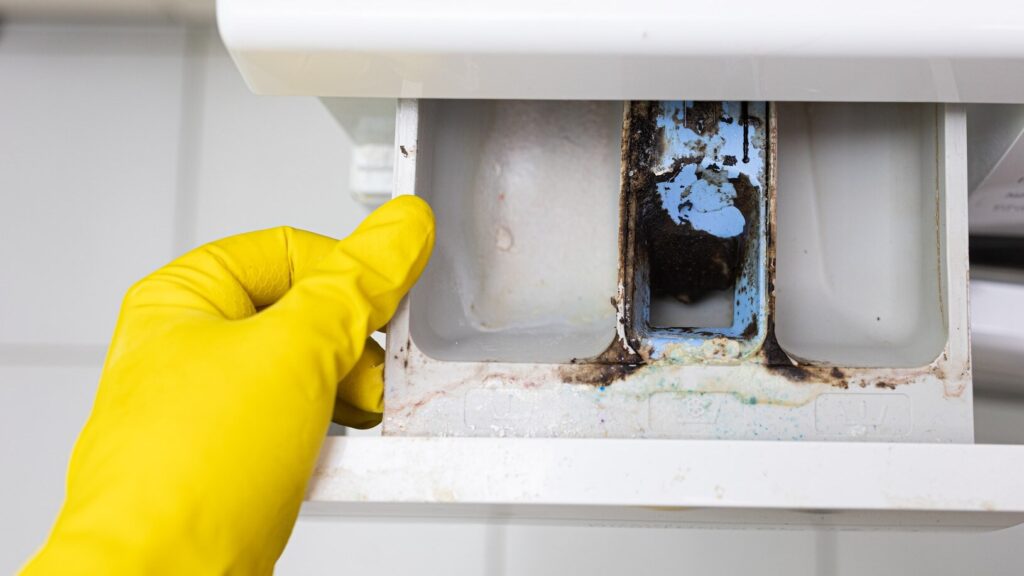
Use the dispenser compartments as marked, and fill them to the level appropriate for the load rather than to the top. Keep the drawer clean — residue builds at the back and in the siphon, and a partly blocked compartment delivers erratically, which produces results people then blame on the detergent brand.
Pods are a special case. They dissolve in the drum, so they cannot be premixed, and they deliver a fixed dose regardless of load size. They are convenient and they work; they simply bypass the part of the system this article is about, and they are a poor choice for small loads.
How much, honestly
Three variables decide the dose, and only one of them is on the bottle.
Load size. Half a drum needs roughly half the detergent. Most households use a full dose for every wash, which is where residue comes from.
Soil level. Everyday laundry is lightly soiled. The dose printed on the bottle assumes a full load of genuinely dirty clothes, which is not most washes.
Water hardness. Hard water consumes detergent, soft water does not. On a softened supply, the correct dose can be half the label figure, and using the label figure produces foam every time.
The practical method: start below the label dose, and judge by results over a week. Clothes that come out clean with no residue and no smell are correctly dosed. If they are not clean, look at load size before reaching for more detergent.
What overdosing actually does
If you have been overdosing for a while, one rinse-only cycle with no detergent at all, on an empty machine, clears a surprising amount. A drum clean afterward finishes the job — our washer maintenance guide has the routine.
Pretreatment, which the feature does not replace
SmartBoost improves distribution; it does not dissolve a set-in stain. Anything greasy, protein-based or dried benefits from being treated at the source before the wash, and that has not changed.
- Treat promptly. A fresh stain and a week-old stain are different problems.
- Cold water for protein — blood, egg, dairy. Heat sets them permanently.
- Do not rub hard on delicate fabrics; you spread the stain and damage the weave.
- Give pretreatment time before the wash rather than applying it as you close the door.
Fabric softener and what it costs
Softener is the quiet cause of two unrelated complaints. In the washer it leaves a film in the dispenser siphon and on the drum, feeding residue. In the dryer it coats the moisture sensor strips, and a coated sensor ends cycles early — which arrives as “the dryer has stopped drying properly” weeks later.
If you use it, use less than the mark suggests, clean the dispenser compartment monthly, and wipe the dryer’s sensor strips with a cloth every few months. Households that stop using it generally report no loss in results, which is worth knowing before troubleshooting anything.
Water temperature, which changes what detergent can do
Detergents are formulated to work across a range, but the enzymes that deal with food, grass and body soil work best warm, and the surfactants that deal with grease need heat more than anything else does. Washing everything cold saves energy and leaves a share of that chemistry unused.
A practical middle: cold for lightly soiled clothes, colors and anything delicate; warm for towels, bedding, workwear and anything that has been worn in heat. And one warm or hot wash a month, with no load or a load of towels, keeps the drum and the drain path clearer than a diet of cold cycles ever will.
This is also where a cold supply in winter matters. An incoming supply close to freezing makes a nominally warm cycle cooler than the label implies, and results drop in a way that looks like an appliance problem and is actually a season.
A dosing routine that works
- Sort by soil level, not only by color.
- Load to a hand’s width below the top of the drum.
- Dose for the load you actually have, starting below the label figure.
- Use the dispenser, not the drum, so premixing can happen.
- Pretreat anything set-in before the cycle starts.
- Leave the door and drawer ajar afterward so both dry.
Our washer buying guide covers which tiers include this feature, since it is not on every machine in the range.
When to call
Call when residue persists with correct dosing, when the dispenser does not empty during a cycle, when cycles are extended by repeated rinses, when the machine reports a drainage fault, or when a smell returns after a proper drum clean.
We are an independent repair company and not a factory service arm. Pricing starts from a diagnostic visit and we confirm the estimate before any work begins. Electrolux washer repair covers dispensers, valves, pumps, sensors and controls, and you can schedule a visit online.