Electrolux wine refrigeration: series and lineup
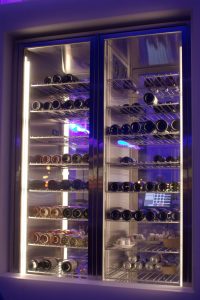
Electrolux wine refrigeration is sold as 24-inch ICON built-in and undercounter units. The current lineup includes the EI24WC15VS and the ICON Pro E24WC50QS, a 5.3 cu ft, 48-bottle unit. Legacy models still commonly serviced include the 48-bottle, 7-rack E24WC75HSS with Theatre-Style Lighting and Star-K certification, the ICON E24WC48EBS, and the 160-bottle absorption-cooled E24WC160ES ICON Designer wine cellar, which uses an absorption cooling system rather than a compressor. Because a 24-inch footprint is the standard across the category, the main variables affecting a repair are bottle capacity, rack configuration, and whether the specific unit is compressor-cooled or absorption-cooled — the two systems fail very differently, so confirming which type you own is the first step. You can browse the units we service in our model directory.
Technologies and features
Electrolux wine refrigeration units are built for stable, low-vibration storage. The E24WC75HSS uses Theatre-Style Lighting to showcase bottles without generating excess heat inside the cabinet, and is Star-K Certified for Sabbath-observant use. The E24WC160ES ICON Designer model uses absorption cooling instead of a standard compressor, which runs silently and without vibration — a genuine advantage for long-term wine storage, but a system that fails and gets serviced differently from a compressor-based unit. Across the category, adjustable wood-toned racks and a UV-filtering glass door protect wine from light and temperature swings. Because these are compact, sealed-system appliances, the parts that wear are the compressor (on compressor-cooled models), the thermostat and temperature sensor, the condenser coils, the evaporator fan, the door gasket, and the control-panel touch membrane — all matched to the specific EI24WC or E24WC build.
Common issues and maintenance
Electrolux does not publish a numeric error-code list for wine refrigeration, so troubleshooting is symptom-based. A unit not cooling or running too warm is most often dust-caked condenser coils, a faulty thermostat or sensor, or frost-blocked evaporator coils, with compressor failure as a deeper cause. Temperature swings or inconsistent readings commonly trace to a worn door gasket, blocked vents, or the unit sitting in direct sun or a warm, drafty spot. Not holding humidity is usually a door that is not sealing or latching properly, or inadequate ventilation clearance around the cabinet. A compressor running constantly points to dirty condenser coils, poor ventilation clearance (roughly 2–3 inches is typical), or a damaged door seal — though a unit that runs constantly without ever cooling, or shows oil stains or a hissing sound, suggests a sealed-system problem that needs a technician. A noisy compressor or fan can mean the compressor has slipped off its rubber mounts or dust has built up on an internal fan. A light not working is frequently just a burned-out bulb or a loose connection — fully homeowner-fixable in most cases. Condensation or frost inside the cabinet is sometimes normal on the rear wall and melts off during the off-cycle, but persistent buildup points to a door seal or ventilation issue. An unresponsive control panel often clears with a five-minute unplug to drain residual charge before assuming the touch panel has failed. Cleaning the condenser coils, maintaining clearance around the unit, and keeping the door gasket clean prevent most of these calls. It is also worth locating the unit away from a kitchen range, dishwasher, or direct sunlight, since ambient heat forces the compressor or absorption system to work harder than the cabinet’s insulation alone can compensate for. For deeper troubleshooting, see our repair guides.
When to call for repair
Compressor and sealed-system work, a failed thermostat or sensor, a worn evaporator fan, or a control-board failure are best handled by experienced technicians who can trace a cooling or temperature-swing complaint through the coils, fans, and gasket before any refrigerant work is considered. As an independent, third-party repair service we are not affiliated with Electrolux, and our skilled technicians fit genuine OEM parts and back every visit with a 30-day labor warranty on the workmanship. Note the exact symptom, your bottle capacity, and whether your unit is compressor-cooled or absorption-cooled when you book. A clear quote is given before work begins and the total depends on the diagnosis; pricing starts from a trip-and-diagnostic fee, and we never quote a fixed repair price sight unseen. Schedule Electrolux wine refrigeration repair or book an appointment online, and you can review the current lineup on the manufacturer site at electrolux.com.