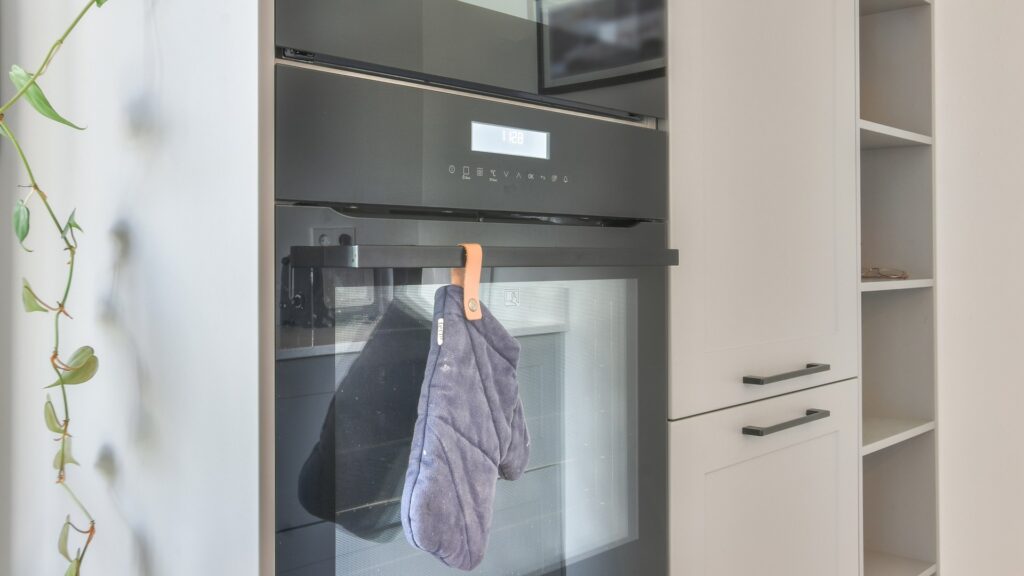
An Electrolux wall oven buying decision is made twice: once about the oven, and once about the cabinet it has to live in. The second decision is the one that constrains everything, because a wall oven is sized to an opening and an opening is expensive to change. This guide covers what actually differs between models, what the cabinet has to provide, and the questions worth answering before a showroom visit rather than after it.
Start with the opening
Wall ovens come in standard nominal widths, but the cutout a particular model needs — height, depth, and the position of the electrical connection — is specific to that model. Two ovens described as the same width can need different openings, and the difference is the one that turns a swap into cabinetry work.
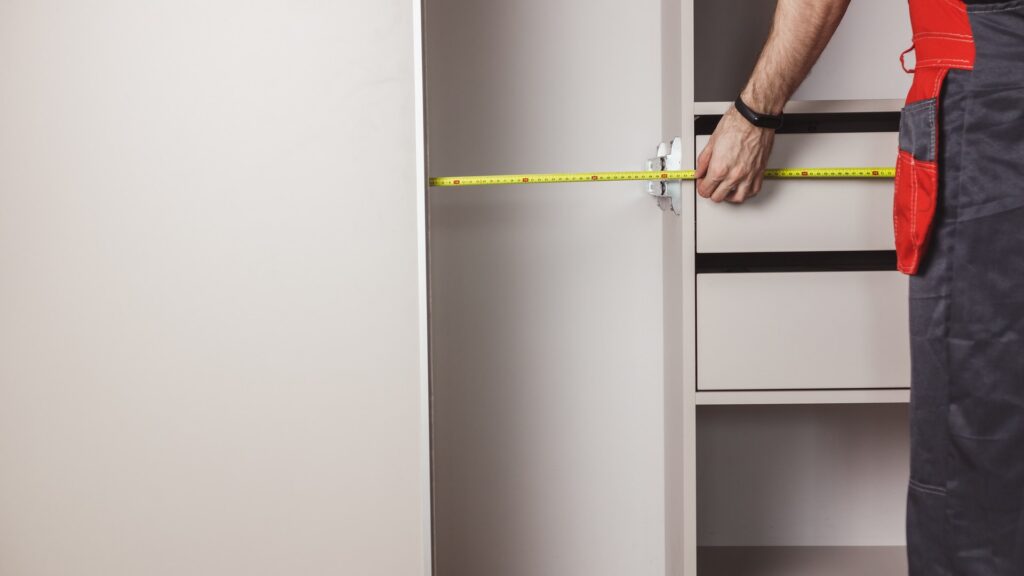
Measure the opening itself: width, height, depth to the back wall, and the position of the junction box. Photograph what is there. If the existing oven is being replaced, note its model number as well, because the cutout it was fitted into may already have been modified once.
Weight matters too. A wall oven is heavy, and the cabinet has to be built to carry it on a support rather than on trim. In an older kitchen it is worth checking what is actually under the oven before assuming a heavier replacement can go in the same place. Our range installation guide covers the equivalent checks for a freestanding appliance.
Single, double, or single plus a drawer
A single oven suits most households and takes the least cabinet. Everything else being equal, a larger single cavity is more useful than two small ones for roasting and for bedding-sized bakeware.
A double oven gives two independent cavities, which matters at holidays and for households that cook two things at different temperatures regularly. It needs a tall cabinet and it costs more, and honest self-assessment is worth doing: many double ovens spend most of the year with one cavity unused.
A single oven with a warming drawer below is the compromise, and a good one for households whose second-cavity need is really about holding food warm rather than cooking two dishes.
What genuinely changes results
Convection. A fan circulating air bakes faster and more evenly, and on multi-rack baking the difference is large. Our page on how the convection system works covers what it does and what it asks of a recipe — generally a lower temperature than a still oven.
Cavity size and rack layout. Usable width between the rack supports decides what pans fit, and telescopic rails decide how safely a heavy dish comes out. These are worth checking physically rather than from a spec sheet.
Door and hinge quality. A door that seals evenly is what holds temperature. On an oven you will keep for fifteen years this matters more than a feature list.
Controls. Displays and connectivity vary by tier. They are genuinely useful for alerts and preheat notifications; they are not what makes food better.
Self-clean, weighed honestly
The electrical question, answered before ordering
A wall oven needs a dedicated circuit sized to its rating, terminated in a junction box positioned where the instructions say. In a kitchen that already has a wall oven this is usually in place; in a kitchen converting from a freestanding range it usually is not, and the work has to be scheduled before delivery rather than discovered on the day.
Two specific traps. A double oven generally needs more capacity than a single, so an existing circuit may not carry a like-for-like upgrade. And where a rangetop is being fitted at the same time, the two appliances’ requirements have to be considered together rather than one at a time.
Questions worth answering before the showroom
- What are the exact opening dimensions, and where is the junction box?
- Single or double, judged on how you actually cooked last year?
- Is the existing circuit adequate for the model being considered?
- Will the door, when open, clear the drawers and the walkway behind it?
- Is there a route into the kitchen for an appliance of that size and weight?
- If matching an adjacent appliance visually, is that model line still current?
That last question saves more disappointment than any other. Ranges of trim and finish change between generations, and an oven bought to match a cooktop fitted five years ago may not match it at all.
Living with it afterward
Two habits keep a wall oven accurate and serviceable. Check the temperature against an oven thermometer once a year — ovens drift, and a steady offset is easy to live with once you know about it. And keep the door seal clean and intact, because a seal leaking heat at one point bakes unevenly on that side and will be blamed on the elements for months. Our uneven baking guide covers telling the two apart.
When to call
Call when an oven holds the wrong temperature or bakes unevenly, when the door will not unlock after a clean cycle, when a cavity stops heating on one mode, when the cooling fan runs on indefinitely, or when you want an existing opening assessed before ordering a replacement.
We are an independent repair company and not a factory service arm. Pricing starts from a diagnostic visit and we confirm the estimate before any work begins. Electrolux oven repair covers elements, sensors, fans, door systems and controls, and you can schedule a visit online.